
Foot pumps

Written by Dr Sheila Strover on March 14, 2025

Foot pumps are simple exercises for early leg rehabilitation where the foot is 'pumped' up and down to improve the blood flow of the limb and prevent stasis of the blood that may cause thrombosis. Page updated April 2024 by Dr Sheila Strover (Clinical Editor)

foot pumps

Forcibly rocking the foot from the ankle activates the muscle pump in the calf.
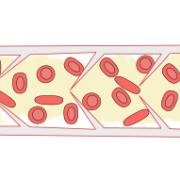
venous pump of the calf

Because of the valves in the veins, as the calf muscles contract and compress the vein the blood can only move in one direction, back to the heart. This is the venous foot pump.

Back to top

The muscle pump in the calf

The veins of the lower limbs rely on a series of valves to help move the blood back to the heart. As the calf muscles contract, the blood - unable to go back down because of the valves - moves up back to the heart.

This keeps the circulation going, and helps to prevent blood clots in the calf (deep vein thrombosis).

"....active ankle movement can produce higher [maximum venous capacity] and [maximum venous outflow] and faster blood velocity, possibly through the activation of the [calf muscle pump], and it promotes venous return and vein circulation....[and] is effective in preventing the formation of lower-extremity [deep vein thrombosis] after orthopaedic surgery, accelerating postoperative recovery and improving patient satisfaction. "

"...participants reported less fatigue when performing [ankle pump exercises] at 30 times/min, which might promote the patients’ compliance...."

Back to top

Why is it important to prevent deep vein thrombosis?

Deep vein thrombosis can be a killer if the peripheral blood clot breaks off and shoots up the blood vessels into the heart and lungs. This is called a pulmonary embolus.

Patients having knee surgery who are deemed at high risk will likely be given medication for a few days to try and prevent clots forming.

"....Deep vein thrombosis (DVT) is a common diagnosis, contributing substantial morbidity and mortality to the population both in and outside the hospital....The most devastating complication of DVT is pulmonary embolism (PE), which is estimated to have a mortality rate as high as 30% within one month...."

Back to top

Forum discussions

Back to top